DIY Fabric Scrap Christmas Ornaments: A Simple No-Sew Guide
Turn a bag of fabric offcuts into folded, glued Christmas ornaments — no machine, no pattern, no sewing...

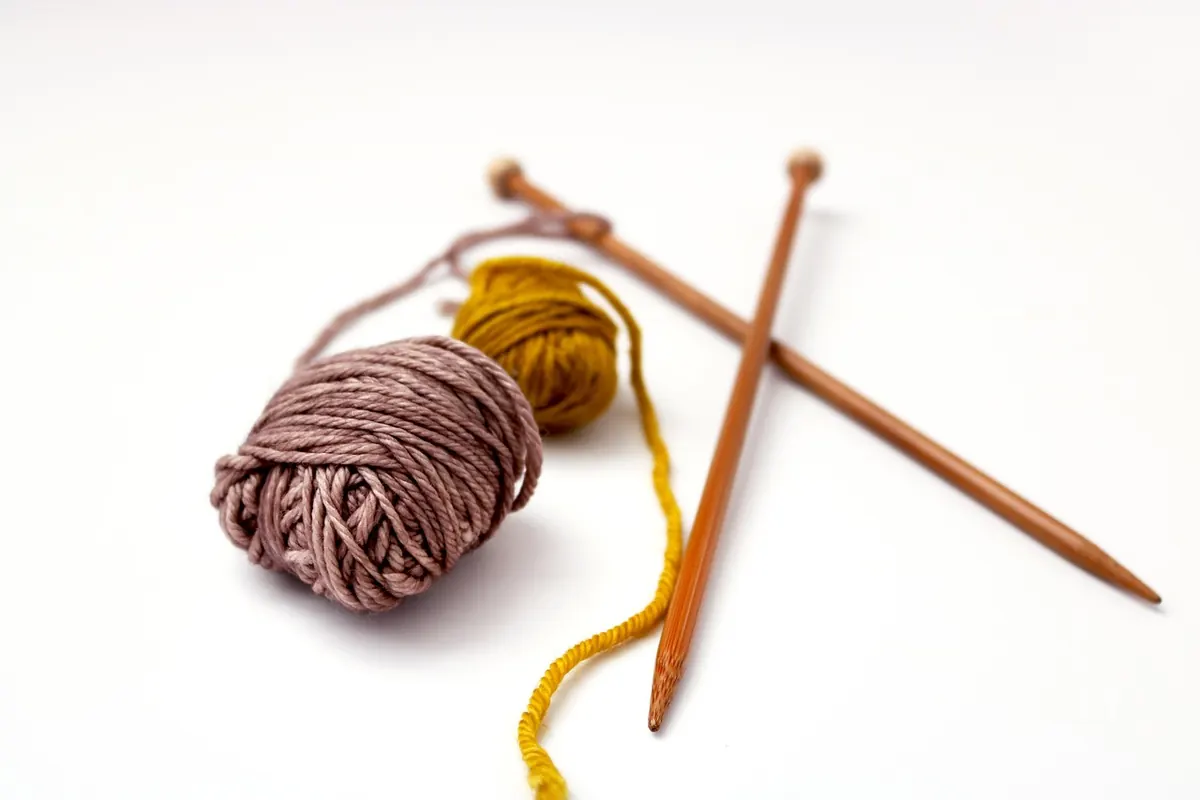
The first time you swap one pair of needles for another mid-project, the difference is hard to miss. The yarn that slid and dropped stitches on slick metal suddenly sits still on bamboo; the fuzzy mohair that dragged on wood glides on steel. Needle material is not a minor detail. It nudges your gauge, changes your speed, and decides how long you can knit before your hands start to complain.
Most knitters end up with a mix in their bag, and for good reason: no single material suits every yarn or every project. What follows is a practical comparison of the three most common options — bamboo, metal, and wood — on grip, speed, weight, and the yarns each one handles best.
Bamboo needles are made from a grass that grows quickly and splits into smooth, lightweight shafts. The surface is soft and slightly porous, which gives it more friction than metal without the roughness of unfinished wood. Stitches stay where you put them. For anyone who has watched a lace pattern slide off a slick needle, that grip is worth a lot.
That friction makes bamboo a good match for slippery fibres: silk, alpaca, bamboo and rayon blends, mercerised cotton, and smooth superwash yarns. It also suits knitters whose tension is loose, and anyone working lace where control matters more than pace. Because bamboo is light, large sizes and long circular projects feel less tiring than the same size in metal.
The trade-offs are real. Bamboo is the slowest of the three; the drag that saves your stitches also costs you time in plain stocking stitch. Thin bamboo needles — anything under about 2.5 mm — can snap if you lean on them, and the tips soften with use. Over years of steady work the surface can roughen enough to catch yarn; a few passes with very fine sandpaper and a wipe with a cloth will usually bring it back.
Metal needles come in aluminium, nickel-plated finishes, and stainless steel. Whatever the alloy, the defining quality is low friction. Stitches move fast, and if you knit tightly, that slickness can reduce the effort each stitch demands.
This is why metal dominates lace, fine-gauge socks, colourwork, and anything worked in smooth, well-spun yarn. A plied wool on stainless steel is a satisfying combination: the stitches line up, they slide to the tip, and you can work at speed once the pattern is in your hands. Sharp lace tips are also easier to find in metal than in bamboo.
The same quality works against you if your stitches are loose or the yarn is slippery. Dropped stitches, and needles that shed their work the moment you set them down, are common complaints. Larger metal sizes are heavy, and that weight adds up on a circular project. Some knitters find nickel-plated needles irritate their skin; stainless steel and coated versions are worth trying if that happens to you.
Wood is the category that hides the most variety. Birch and maple are light and grippy, closer to bamboo in feel. Rosewood and ebony are dense and polished, sliding almost like metal while staying warm in the hand. Two pairs both sold as "wood" can behave quite differently, so it helps to know which you are buying.
As an all-rounder, light wood is hard to beat: enough grip for control, enough slip for steady progress, and a quiet warmth that makes long evenings of knitting pleasant. It works well with most wools and wool blends. Dense wood gives you speed with more warmth and less noise than metal, which is why some knitters keep a rosewood circular reserved for a favourite sweater.
Wood is generally the most expensive of the three, and dense woods are heavier than they look. Fine sizes can still snap, and wooden needles react to humidity more than metal does; storing straight needles flat rather than standing on their tips helps them stay true.
Every knitter's hands are different, so treat any ranking as a starting point rather than a rule. Still, the general pattern holds:
The yarn in front of you is often the quickest way to choose. A few reliable pairings:
A rough join on a circular needle will snag your yarn whatever the material. Before you buy, run a length of scrap yarn around the join and pull it back and forth; it should pass without catching. Blunt tips suit splitty yarns, sharp ones suit lace decreases.
Below 2.5 mm, metal is the safer choice: fine bamboo and wood break under the pressure small needles take. Above 8 mm, bamboo and light wood have the advantage, simply because they weigh less. If you use one size for most of your knitting, buy that single pair in a new material before committing to a full set.
If hand or wrist pain is steering your choice, it is worth talking to a physiotherapist or your doctor about needle shape, grip aids, and how long you knit in one sitting. Small changes to the way you hold the needles often matter more than the material.
Knit a swatch in the yarn and stitch pattern of your next project, then repeat it on a different material in the same size. Compare the two after ten rows: which one did your hands prefer, and which gave you the gauge you wanted? Note the answer on the yarn label or in your project notes, because that pairing will be useful again.
From there, build slowly. A bamboo set for slippery yarns and learning, a metal circular in the sizes you use most, and one pair of good wood for projects you want to enjoy rather than race. Three materials, a handful of sizes, and you will stop guessing which needles to reach for.
Photo: jwdenson / Pixabay
Turn a bag of fabric offcuts into folded, glued Christmas ornaments — no machine, no pattern, no sewing...
A practical, season-by-season checklist for local craft fairs, covering how much to make, what to pack,...
Tension problems show up as tight chains, aching hands, and wobbly rows. Learn five common crochet tension...